
Your HVAC system really does a lot of heavy lifting to keep your home or office comfortable. It doesn’t matter if it’s blazing hot outside or freezing cold. When your HVAC is working right, you barely think about it. But when something goes wrong, you notice it fast. Small problems can snowball into big, expensive headaches if you ignore them. Spotting the warning signs early saves you money, time, and a whole lot of stress. There are 10 signs your HVAC system needs immediate repair.
The first thing is weird noises. If your HVAC starts making grinding, banging, or high-pitched squealing sounds, something’s off. These often mean loose parts, worn-out belts, or motor trouble. Next up: weak airflow. If the air is barely coming, then there may be clogged ducts and dirty vents.
Then there is frequent cycling. Your system should turn on and off to keep the temperature steady, but it is fluctuating, and your thermostat or the system itself needs proper attention. Never ignore smell because any odor can be due to mold.
Keep an eye on your energy bills, too. If they suddenly spike, your HVAC is probably struggling and using more energy than it should. Uneven temperatures are another giveaway when some rooms are roasting, and others are freezing; something’s up.
Other HVAC system repair warning signs? Too much humidity inside, water pooling around the unit, having to call for repairs all the time, or the system just not reaching the temperature you want. If you notice any of these, don’t wait; call a professional before things get worse.
What usually goes wrong with HVAC systems?
They’re complicated, with lots of moving parts such as compressors, fans, coils, thermostats, ductwork, you name it. Because of that, lots of things can break down over time. Knowing the usual suspects helps you catch problems early.
Common HVAC problems and signs? One big one is dirty or clogged air filters. When filters get packed with dust, airflow drops, your system works harder, and your power bill goes up. Replacing filters regularly can prevent a lot of headaches.
Refrigerant leaks are another common issue. The refrigerant cools your air, so if it leaks out, you’ll notice weak cooling and maybe some ice building up on the coils. Thermostat problems pop up a lot, too. If your thermostat isn’t working right, it’ll send your system mixed signals, so you might get weird temperature swings or the whole thing might not turn on.
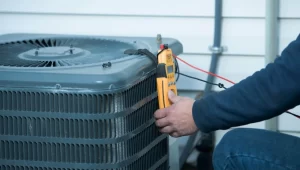
Frozen evaporator coils are another mess. They usually get frozen because the airflow can be blocked. Electrical issues are also common HVAC problems and signs that cause trouble. Bad wiring, worn-out capacitors, or loose connections can make your system shut down out of nowhere. And don’t forget the ductwork; if it’s leaking or blocked, your airflow drops and your home heats or cools unevenly.
When to Repair Your HVAC System?
Knowing when to fix your HVAC system isn’t just about comfort. It keeps your system running better, for longer. Sure, you can handle some small problems with basic maintenance, but there are certain warning signs you can’t ignore.
Whenever you are looking for when to repair your HVAC system, there are some red flags. If your HVAC starts messing up, maybe it can’t keep your home at the temperature you set, or it keeps turning on and off, it’s time to call in a professional. Waiting too long almost always makes things worse, and you could end up with a total breakdown.
Another red flag? If the system never seems to shut off, but your place still isn’t cool or warm enough. That usually means something’s wrong inside, like the compressor, refrigerant, or even the thermostat. And if you’re calling for repairs over and over, that’s not normal. A string of little fixes probably means there’s a bigger issue that needs real attention. Don’t forget about age, either. Whenever you are experiencing 10 signs your HVAC system needs immediate repair, get help on time. Most HVAC units last about 10 to 15 years. As they get older, parts wear out, and you’ll see more problems pop up.
HVAC Maintenance Warning
Routine maintenance isn’t just a suggestion; it’s what keeps your HVAC system from falling apart. Still, lots of people wait until something goes wrong before they pay attention. That’s risky. Ignore those early warnings, and you’ll probably end up with bigger, more expensive problems.
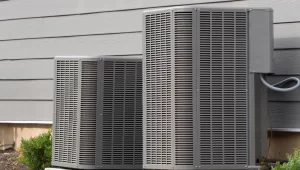
Start HVAC maintenance with the basics: change your filters regularly. Dirty filters choke airflow and make the system work too hard. Leave them clogged long enough, and you’ll overheat the system or break something important. The same goes for outdoor condenser coils. If they’re covered in dirt, leaves, or gunk, your system can’t get rid of heat the way it’s supposed to, so it uses way more energy and cools less effectively.
Blocked vents are another easy fix that people miss. If furniture, curtains, or even dust blocks the vents, air can’t move around your home the way it should. That means some rooms get too hot or too cold, and your system works overtime.
Keep an eye out for drainage issues, too. Your HVAC creates condensation, and if the drain line gets clogged, water starts backing up. That can mean leaks or even water damage to the unit. And don’t ignore symptoms of a failing HVAC system. Vibrations often mean something’s come loose and needs to be tightened or replaced.
Getting a professional to check things out every season before summer and winter helps spot these problems before the HVAC system does not work properly. It’s the best way to keep your system ready when you need it most.
Conclusion
In the end, your HVAC system is what makes your home or business comfortable all year. always manage 10 signs your HVAC system needs immediate repair. It controls temperature, cleans the air, and keeps things running smoothly, but only if you take care of it. Pay attention to those early warning signs: odd sounds, weak airflow, uneven temperatures, or a spike in your energy bill. The usual suspects are refrigerant leaks, thermostat problems, or clogged filters. If you catch these things early, you can stop big problems before they start. There are companies that offer emergency HVAC repair so that you can get help before a mess.